



Well, it’s that time of year again.
Summer is wrapping up. Kids are picking out their clothes for the year ahead. Parents are very ready for kids to go back to school. Or is that just us?
That time when you see a new schedule coming up.
And with it, the need to potentially shift how you’ve been doing things for the past few months.
In other words - the need to re-align.
It’s a word that has been coming up regularly in my conversations lately.
The idea that there is an opportunity to shift things around to align more with what really matters.
But, what does it mean to “be aligned”?
We talk about it all the time:
Align yourselves to your values.
Re-align your work to your deeper needs.
Your back is out of alignment (this one might just be me).
I have a client who I was speaking with last week who used the expression that he is not feeling aligned in his work.
So, we spent some time looking at what it is he’d like to be aligned with.
In the case of this client, he kept coming back to the way in which he wants to work in the world.
To feel “aligned,” he needs:
to be with people more
to be at an office more
to be in conversation with others more
to feel like he is having more impact
In other words, his ways of being aligned with what matters rely on his doing things.
Just, doing them “more.”
And isn’t that always how it feels?
I say this as a guy who leads a group coaching program called Pursuers of More, but seriously - is “more” always the right answer?
This “do more to get more” thinking is nothing new.
Yes, in many ways, this might reflect the Puritan work ethic that North American society is completely awash in - and perhaps, founded on.
But this view also aligns (no pun intended) with the thinking of many other writers, teachers and thinkers. Small-time intellectuals like Friedrich Nietzsche, Jean-Paul Sartre and Herminia Ibarra.
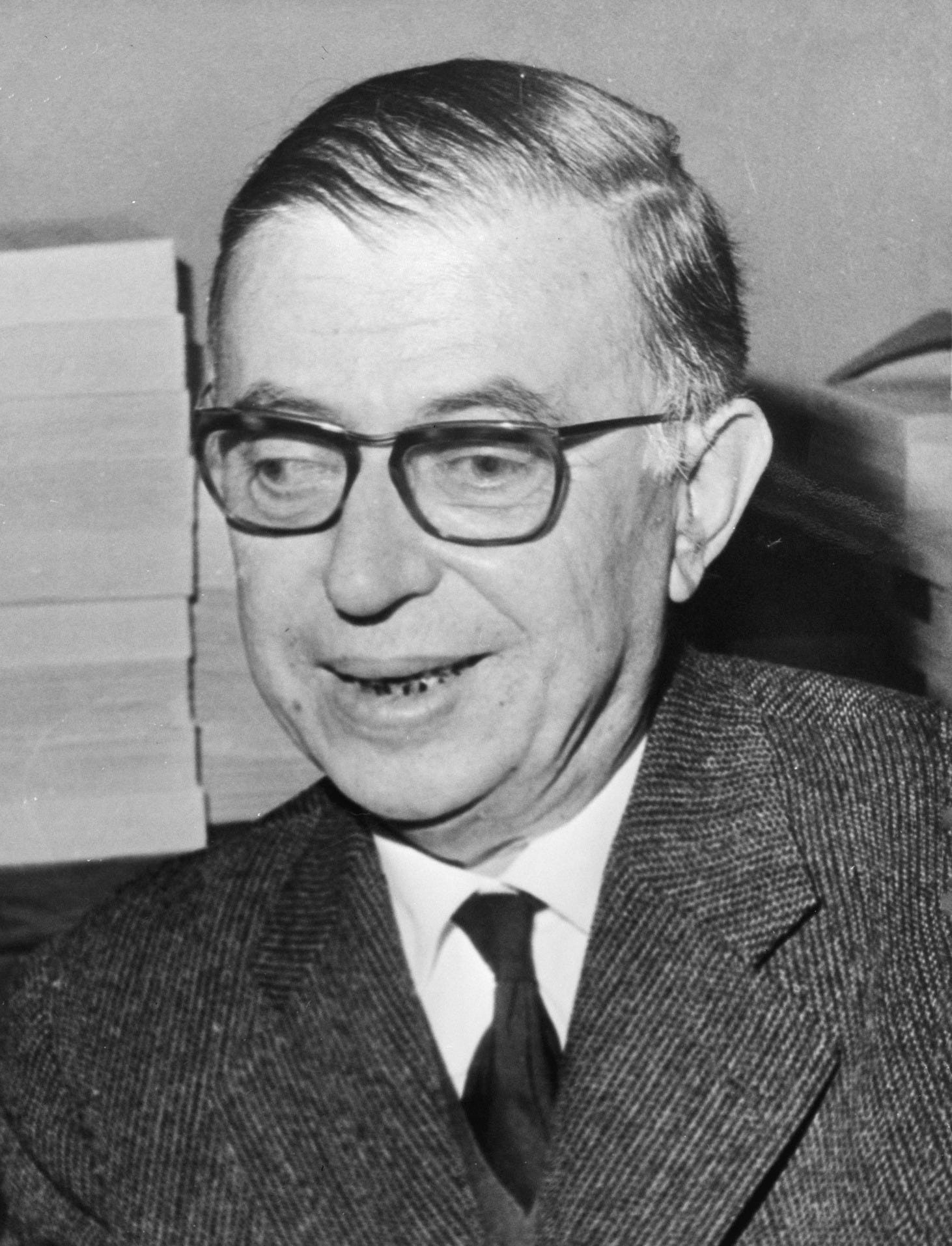
Sartre: “Man is nothing else but that which he makes of himself.”
Alignment with what matters comes from constructing our lives into something more. We are not enough on our own - we have to mold our lives, and our Selves, into something greater.
Sounds like a lot of work.
For many of us (myself included) this just makes sense. I can tell you without one shred of untruth that this might be my own personal biggest struggle. Every time I think that something needs to change - that I am out of alignment - my instinct is to just do more. Work harder. Pay more attention to something. Read another book. Listen to another podcast.
Surprise: none of that works.
Which makes me think: hmmm. Maybe this is about doing less somehow.
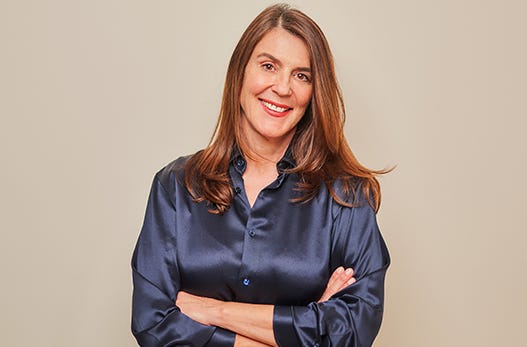
Turn to Herminia Ibarra: “Our working identity is not a hidden treasure waiting to be discovered at the very core of our being […] we tend to latch on to authenticity as an excuse for sticking with what’s comfortable.”
Great. So now getting aligned is not exactly about doing anything specifically, but rather, getting uncomfortable? As in, “it’s not you being authentically yourself that is going to get you to your working identity. Rather, you need to do things to get more uncomfortable and turn away from what you think is really at your core.”
This is confusing. What I think Ibarra means here, though, is that spending time looking at our values is really not going to help us, because there is nothing to uncover. The answer is right in our faces. The challenge, rather, is that we can’t see what’s right under our noses. “Thinking and introspection should follow experience — not vice versa.” Meaning - go out and do. Then - and only then - will you see what is hiding in plain sight.
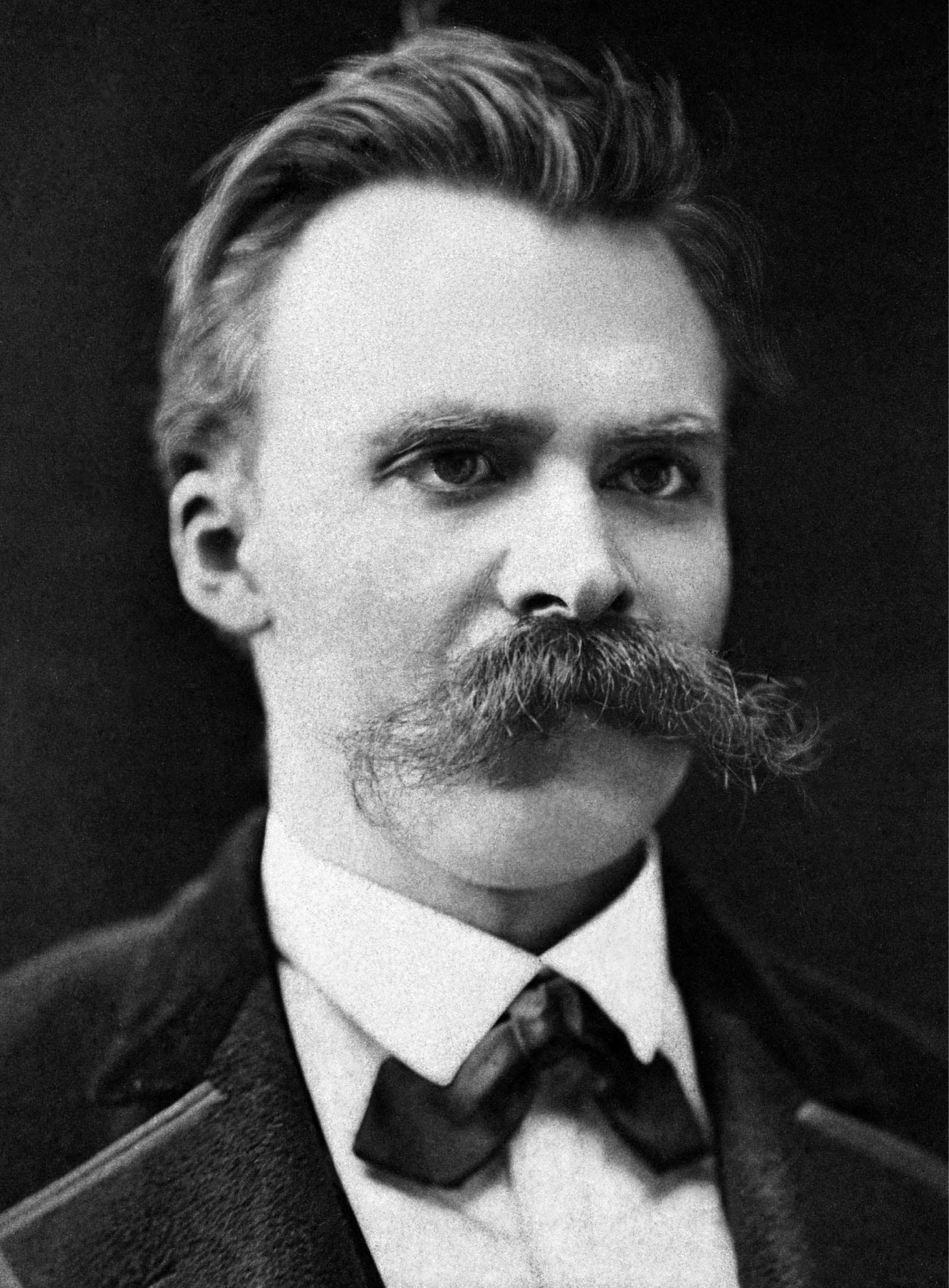
And what about Nietzsche?
His view was that we want to become those we already are - human beings who are new, unique, incomparable, who give themselves laws, and (a lot like Sartre) create ourselves. To that end, we need to become the best learners, discovers and doers of everything that is necessary in this world to more fully become our Selves.
There it is again. Doing.
But didn’t we get into this discussion precisely on the premise that the doing of more is exactly the thing we are trying to avoid?
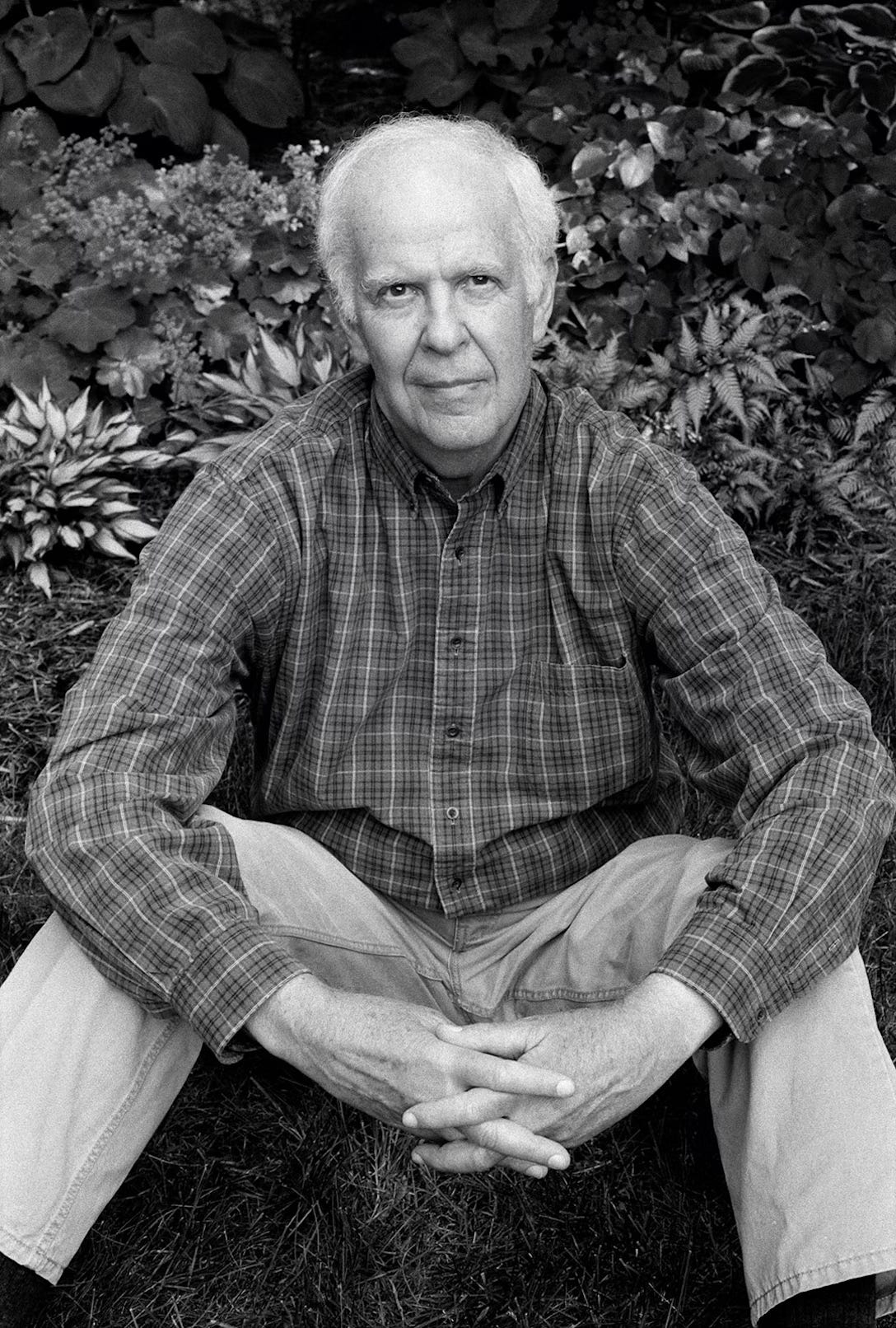
The thinker I rely on most in respect of this question, though, is Parker Palmer. Palmer, a Quaker writer, teacher and the author of many insightful books including Let Your Life Speak and The Courage to Teach, says:
“Before you tell your life what you intend to do with it, listen for what it intends to do with you.”
In other words - what you’re supposed to do with your work is something given rather than chosen. What you were born with, not what you constructed yourself to be, in order to be approved of.
Contrast that with Nietzsche and Sartre, who hand you a chisel and tell you to carve yourself into being. Palmer doesn’t think you need a chisel yet. He thinks you need to put down whatever tool you’re already swinging - the busier calendar, the new morning routine, the fourth podcast this week - and actually listen to the life you already have before you decide what to build next.
Palmer’s alignment is subtractive. Most of the genre says: find your values, then build a life to match them. Palmer says the life is already speaking and you’ve been talking over it. “Vocation does not come from willfulness. It comes from listening.” The Quaker “way closes” language matters here — his closed doors aren’t failures, they’re data. He got fired, dropped out, sank into two major depressions, and reads all of it as information rather than detour.
I said earlier that “re-align” has been showing up everywhere in my conversations. Here’s my honest read on why: it’s a word people use when they can feel something is off but the only verb they have access to is “do.” Re-align gets used the way “optimize” does — as if the fix is always a better system, a smarter routine, one more adjustment. But an adjustment to what? You can’t align to a target you haven’t actually located. And you can’t locate it by adding more inputs. You locate it by getting quiet enough, for long enough, to hear what’s already there.
Which brings me back to my client. When we dug into “more people, more office, more conversation, more impact” — none of those were wrong, exactly. They were just downstream. They were the four things he could act on by Monday: buy a train pass, book a desk, put a lunch on the calendar. What he hadn’t done yet was ask what those four things were actually pointing at. When we slowed down, it wasn’t more of anything. It was one plain sentence he’d been talking over for the better part of a year: he built a career that rewards him for being right, and he misses being around people who let him be uncertain out loud. That’s not a doing problem. You can’t add your way to that. You can only stop long enough to hear it, and then decide what, if anything, changes.
So here’s what I’d offer instead of a new fall routine. Before you build the new schedule — the earlier alarm, the reorganized week, the “this is the season I finally get serious” plan — try Palmer’s move first. Don’t ask what you should add. Ask what your life has already been telling you that you’ve been too busy doing something about it to hear.
Then build the schedule around that. Not before.
Jordan Nahmias is a vocational strategist and the founder of Unstuck Consulting - a coaching business for high achievers doing the work they were “supposed” to do, but (perhaps not so secretly) want to design and build careers and businesses that more truly reflect who they are, what matters to them, and live on their own terms a little more every day.

→ Take the Beyond Success Assessment.
→ Join the Community.
→ Or if you’d rather just talk - book a call.